Barbering changes a little as clients get older, and the changes are practical, not cosmetic. Skin gets thinner and more delicate, hair often turns gray and wirier in texture, appointments may need to run slower, and comfort in the chair matters as much as the cut itself. In Monroe, senior cuts done well are simply good barbering with the adjustments made openly.
This checklist works through what to look at, in order, for older clients and for family members booking on their behalf, covering classic styles, skin care, and the hearing and mobility details that shops can handle easily when they know about them.
Comfort and classic styles
The classic cuts many older men prefer, a traditional scissor cut with a side part, a short back and sides, or a neat crew, have stayed in barbers' hands continuously, which is good news: a barber does not need to guess at them. Gray hair behaves differently from the hair it replaced, often coarser and more wiry, and it can resist lying flat. A skilled barber adjusts by cutting gray hair with its natural direction in mind and sometimes leaving a touch more length where wiry hair would otherwise spring up.
Thinning is also common and nothing to work around quietly. Shorter, even styles read fuller and are easier to manage at home, which matters if styling effort needs to stay low. The goal is a cut that looks right with a comb and thirty seconds, because a style that needs product skills and patience every morning will simply stop being styled.
Senior cut checklist: what to check, in order
- Chair access: Can the client get in and out of the barber chair comfortably, and is a step or a steadier chair arrangement needed?
- Skin: Is the skin thin, easily nicked, or marked by moles or spots the barber must work around carefully? Point them out before the cut starts.
- Medication: Anything that thins the blood or makes skin fragile is worth mentioning, especially before razor work.
- Hearing: Tell the barber if hearing aids come out or if instructions need to be given face to face, before clippers start making noise.
- Vision and glasses: Decide when glasses come off and who holds them, and check the finished cut with glasses back on.
- Pace: A slower appointment with pauses is a reasonable request; say so at booking, not mid cut.
- Neck and back: Mention limited neck movement so the barber adjusts position instead of asking for turns that hurt.
- Home upkeep: The finished style should be manageable with the client's actual routine, strength, and reach.
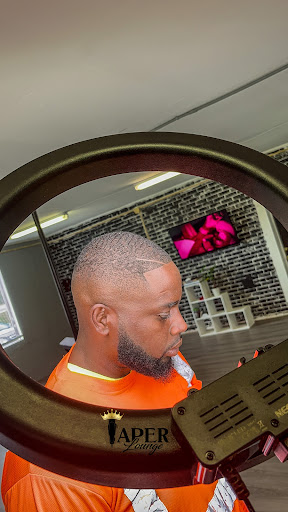
Razor work and delicate skin
Thinner skin nicks more easily and heals more slowly, so razor services deserve a short conversation first. A barber may suggest lighter pressure, fewer passes, or a trimmer finish instead of a straight razor line in fragile areas. Hot towel services, offered at Taper Lounge, are often comfortable and enjoyable for older clients, but very hot towels on delicate or sensitive skin should be moderated, and saying so is enough for a good barber to adjust.
Ingrown hairs and irritation also behave differently on older skin. If shaving at home has started causing problems it never used to, mention it. Small changes, shaving with the grain, fewer passes, better prep, often solve what looks like a skin problem but is really a technique problem that age has made less forgiving.
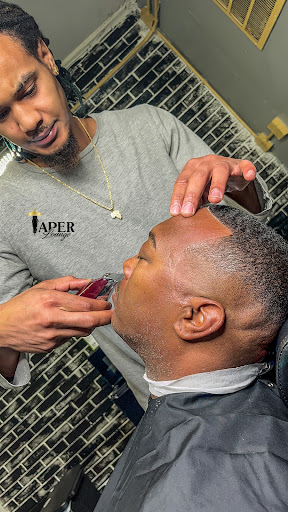
Booking the appointment well
Choose quieter times of day where possible. A calm shop is easier for hearing, easier for unhurried chair transfers, and easier for a conversation about preferences. If a family member books for a parent, a short note of the relevant points from the checklist above, plus a photo of the preferred result, gives the barber everything needed without the client having to explain it all from the chair.
Regular appointments on a steady interval help more than occasional long rescues. A classic cut held on a four to six week rhythm stays comfortable and neat, and the barber gets to know the client's skin, sensitivities, and preferences over time. That familiarity is the real senior service, and it is available in Monroe to anyone who simply asks for the adjustments out loud.
Common questions
Are classic styles still easy for barbers to do?
Yes. Traditional scissor cuts, side parts, and short back and sides are core barbering and have never left the repertoire. A barber will adjust for gray, wiry texture as part of the cut.
Should older clients avoid straight razor services?
Not automatically, but thinner skin deserves a conversation first. Lighter pressure, fewer passes, or a trimmer finish may be wiser in delicate areas, and a good barber will suggest them.
How can family members help with a parent's appointment?
Book a quiet time, share any skin, hearing, or mobility notes in advance, and send a photo of the preferred result. That covers most of what makes the visit comfortable.
← All guides from Taper Lounge← Back to Taper Lounge