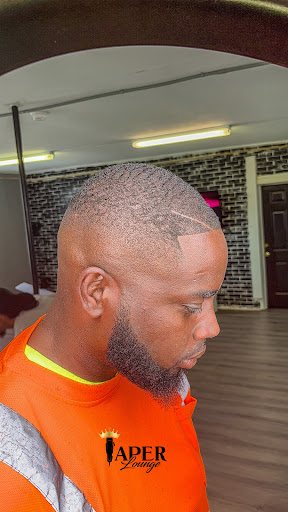
A lineup is the sharpest detail on a cut and the first one to go soft. The hairline, the temples, and the edge around the ears look crisp for days, then new growth blurs the line a fraction at a time. At Taper Lounge in Monroe, edge-ups and razor lineups are built to be maintained, not just admired on day one.
Season changes how fast that blur shows. Summer sweat and humidity in the Piedmont make edges look grown out sooner, winter hats rub at the hairline, and the weeks around holidays and photos are when everyone wants the line at its sharpest. Here is how long a lineup really lasts, what you can safely do at home, and where home work turns into damage control.
How long a lineup lasts
For most men, a lineup looks its sharpest for about a week. The second week it still reads clean at a normal distance, especially on a fresh cut underneath it, and by the third week the regrowth has usually softened the corners and the front line enough that a touch up or a full cut is due. Dark, coarse hair against lighter skin shows regrowth earliest, because the contrast is highest. Fine or light hair buys a few extra days.
A standalone edge-up between cuts is a normal service for exactly this reason: the cut itself may have two more weeks of life while the edges have none. Many Monroe regulars run on a rhythm of a full cut, then an edge-up at the midpoint, which keeps the outline presentable without resetting the whole style every time.
What grows, and where it shows first
Regrowth appears first at the corners of the front hairline and at the temples, where the line was drawn most precisely. The edge around the ears softens next, and the neckline follows. Because the front line is what people see in conversation and in photos, it sets the perceived freshness of the whole cut, even when the fade or taper behind it is still in good shape.
Growth also does not return evenly. Individual hairs emerge at slightly different rates, so a line goes fuzzy before it goes visibly long. That fuzz stage is when most men are tempted to fix it themselves, and it is exactly when the risk is highest, because the line still exists underneath the fuzz and is easy to push back by accident.
Keeping an edge-up clean at home
- Work only below and outside the line your barber set, never into it
- Use a trimmer dry, in bright light, with a mirror you can angle for the sides
- Clean up stray hairs on the forehead, cheeks, and below the neckline only
- Stop at fuzz removal; reshaping corners at home rarely ends evenly
- Keep skin clean and moisturized so regrowth reads tidy instead of irritated
- Book a midpoint edge-up instead of chasing the line weekly at home
- Take a photo right after a fresh lineup to use as your home reference
The risks of chasing the line yourself
The classic home lineup error is pushing the line back. Each touch up removes a little more than the regrowth, and over a few sessions the hairline migrates, the corners round off, or one side ends up higher than the other. Unlike a too short cut, a pushed back line takes a long time to forgive, because the hair that defined it has to regrow from skin.
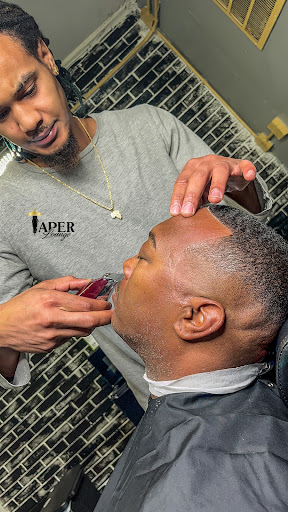
Asymmetry is the second risk. Working in a mirror reverses your hands, and small corrections compound: a pass to match the left side, another to match the right, and the line climbs with each attempt. Barbers avoid this by working from a set reference and checking at a distance. At home, the safest rule is one light pass for strays, then stop, even if it is not perfect. A barber at Taper Lounge can restore a fuzzy line in minutes. A migrated line is a months long project.
Seasonal timing for the sharpest weeks
Plan lineups around the weeks that matter. In summer, when Monroe heat and humidity blur edges fastest, a midpoint edge-up earns its place, and timing a fresh lineup two or three days before an event puts you in the sharp window without the just-cut look of the same morning. In winter, hats and hoods rub the front line, so a lineup done right before a stretch of hat weather will soften at the forehead first.
Spring and fall are the forgiving seasons, when a lineup holds its look a little longer and a simple cut rhythm usually suffices. Pollen season in spring has one extra note: rubbing at itchy eyes and foreheads irritates freshly edged skin, so gentle care matters more than extra touch ups in those weeks.
Common questions
How long does a lineup stay sharp?
About a week at its sharpest for most men, presentable through the second week, and ready for an edge-up or a fresh cut by the third, depending on hair color and growth speed.
Can I maintain my own lineup between visits?
You can safely remove strays outside the line and tidy below the neckline. Reshaping the line itself at home is where hairlines get pushed back unevenly, so leave that to the barber.
Is an edge-up between full cuts worth it?
For lineup wearers, usually yes. The edges expire about twice as fast as the cut behind them, so a midpoint edge-up keeps the whole style looking current.
← All guides from Taper Lounge← Back to Taper Lounge